
Irene Holub
Deaf Art, Cultural Leadership and Creative Expression.
Irene Holub is a Deaf CALD artist, filmmaker, advocate, and director whose practice explores human connection through the lens of Deaf culture. Her work spans projection, theatre, film, and multimedia forms, grounded in lived experience and shaped by a deep curiosity about communication, language and identity. Through visual storytelling and poetry, she articulates unseen languages and complex emotional landscapes, creating work that is both intimate and socially resonant.
She has worked across collaborative arts, Deaf arts, advocacy, community engagement, and culturally inclusive creative practice, and is committed to accessibility, representation, storytelling, and amplifying Deaf and diverse voices through contemporary artistic expression.
ADNA’s National Director Sarah-Mace Dennis sat down with Irene to discuss her journey from grassroots Deaf arts organising to becoming a full-time artist, the importance of genuine creative control and collaboration and her new Deaf-led opera, Manifesto of Silences. Irene also reflects on the people who helped open doors for Deaf artists and why emerging creatives should question whether an opportunity offers meaningful participation, or simply visibility without power.
Thank you for joining us. It’s really nice to have you here. Can you first introduce yourself? Tell us who you are, what you do and the kind of work you make.
Hello, I’m Irene, a multidisciplinary Deaf artist based in Melbourne. My practice spans a range of art forms, including printmaking, photography, theatre, painting, ceramics and collaborative projects with other artists. Rather than working within a single medium, I choose the form that best expresses the ideas and stories I want to explore. My work is concept-driven, with each project shaping its own creative direction.
How did you start out and develop your career?
I’ve always been involved in the arts. When I was around 18, I began thinking seriously about my identity as a Deaf person and how I could build a career as an artist. At the time, it felt like the world wasn’t ready for Deaf artists, so I chose to study in another field instead. It wasn’t the right fit for me, and I found it quite disheartening. Eventually, the university agreed to let me study art as well, and I went on to study printmaking and sculpture at RMIT. Even then, the barriers were significant. There was very little Deaf awareness, no interpreters and limited access, making it difficult to fully participate.
Despite these challenges, I stayed connected to both the arts and the Deaf community. I exhibited my work while also organising grassroots exhibitions and creating opportunities for Deaf people to engage with the arts. For many years, I balanced this with a career in education, advocacy and community development. Although my professional path moved in different directions, art remained a constant. I could never let it go.
A turning point came when two Deaf artists and I co-founded FLOW Festival, a Deaf-led arts festival. We wanted to create a platform where emerging and established Deaf artists could share their work, connect with audiences and gain greater visibility within the broader contemporary arts sector. It was a powerful moment that demonstrated Deaf art belongs in the cultural landscape and deserves recognition on its own terms.
Over the past 15 years, my arts practice has grown into a full-time career. Much of that change reflects a broader shift in society. There is now a greater understanding of diversity, accessibility and Deaf-led practice, and different ways of experiencing and engaging with the world are increasingly recognised as valuable. That growing openness has created more space for my work—and for Deaf artists more broadly—to thrive.
You mentioned that you’re now working as a full-time artist, which is a fantastic achievement. Can you talk about that transition? Do you have any advice for other artists who want to make the transition from developing their career over a period of years to being a full-time artist?
We all need to earn a living. We have rent or mortgages to pay, bills to cover and materials to buy. The reality is that working as a full-time artist can be challenging because art alone doesn’t always provide a stable income. That’s the reality for many artists.
One pathway is to work in the arts sector while developing your own creative practice. Whether it’s with an arts organisation, a gallery or in community arts, you’re still immersed in the creative world. It also gives you opportunities to build networks, collaborate with other artists and create connections, which are incredibly important because so much work in the arts comes through relationships and collaboration.
For many artists, that’s how the transition happens. You balance paid work in the arts with your own practice until your career grows. I’d definitely recommend working in the arts sector if you can. It’s a great way to gain experience, make connections and build a sustainable career while continuing to develop your own work.
You won the Lesley Hall Award.
I was incredibly honoured to receive the Lesley Hall Disability Arts Award last year.
Awards aren’t usually something I focus on, but this one felt deeply meaningful. I had the privilege of knowing Lesley Hall through my advocacy work, and our paths crossed many times over the years.
Lesley was an extraordinary person. She was vibrant, passionate and always spoke her mind. There was no beating around the bush—she was direct, honest and deeply committed to creating change. I admired her enormously. She was instrumental in breaking down barriers and creating opportunities for Deaf artists and artists with disability. Much of the progress we see today is built on the foundations that people like Lesley worked so hard to establish. Receiving an award in her name felt incredibly special, and I’m grateful to continue the work she championed by advocating for greater access, inclusion and recognition in the arts.
What are you working on now?
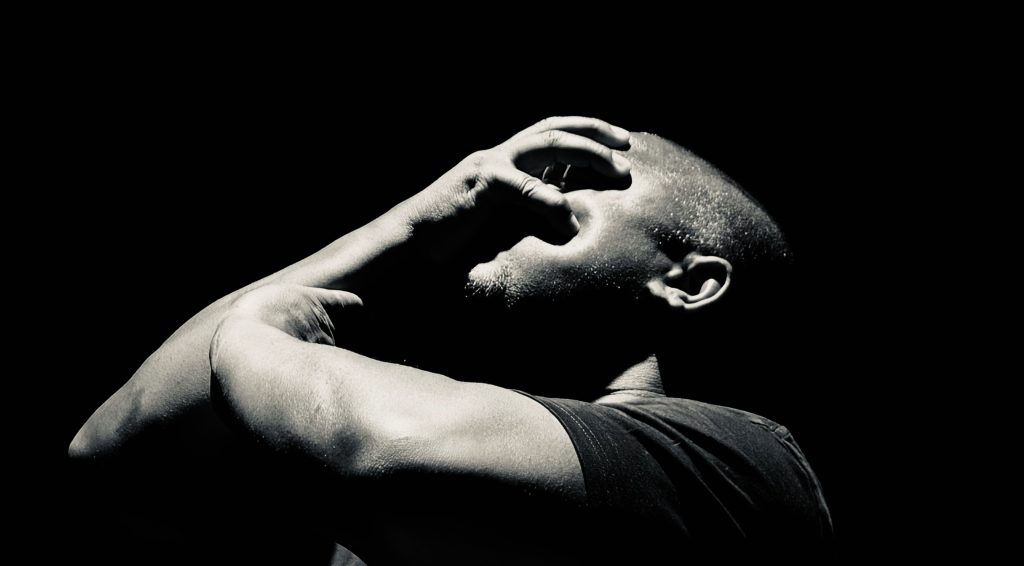
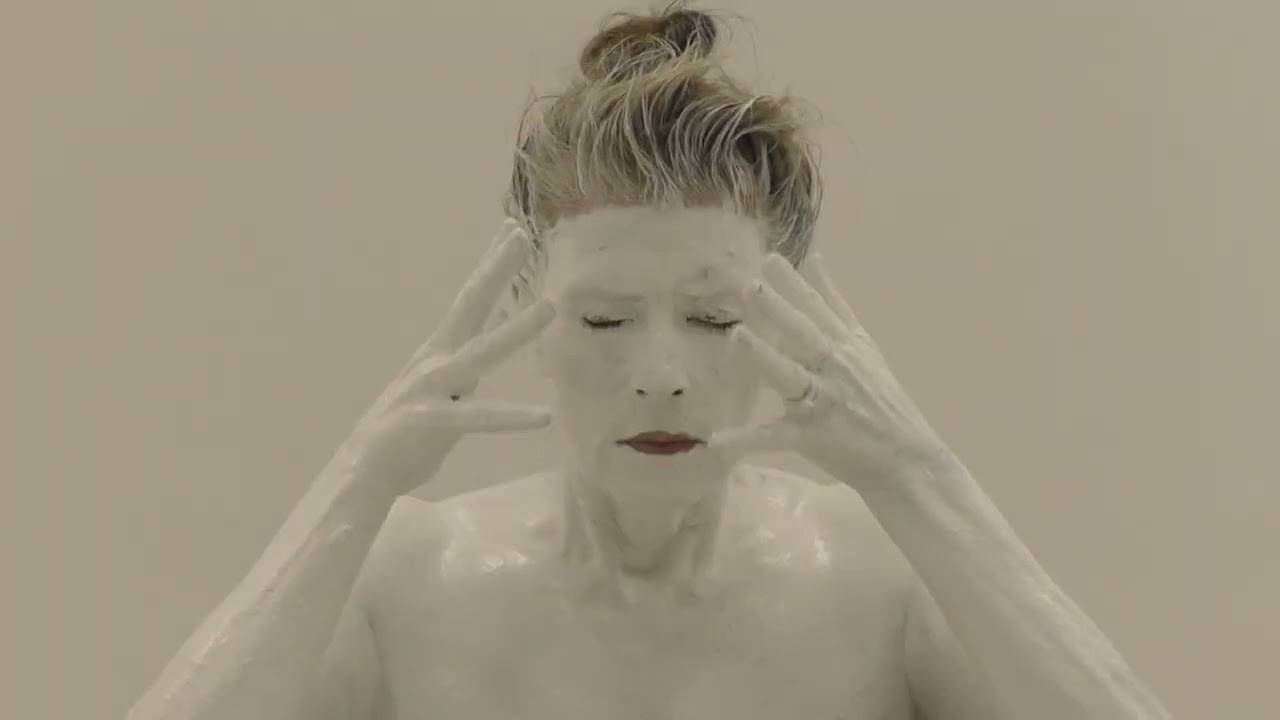
I’m working on a very exciting project that began about two years ago. I had a vision to create a fully Deaf-led opera production—a theatrical experience that would be accessible to everyone without the need for interpreters or captions.
Last year, I received a commission from Arts House, where we undertook an eight-week residency for creative development, followed by three public showings. The response was incredibly positive, especially from audience members who didn’t know Auslan or any sign language. They were amazed by how they could connect with the performance through visual storytelling, movement and emotion. Following this, I applied for funding and was successful. I now have an amazing team working with me, including Deaf actors and a Deaf-friendly creative and production team. We are collaborating to bring the full production to life, with the premiere taking place at Arts House in October this year.
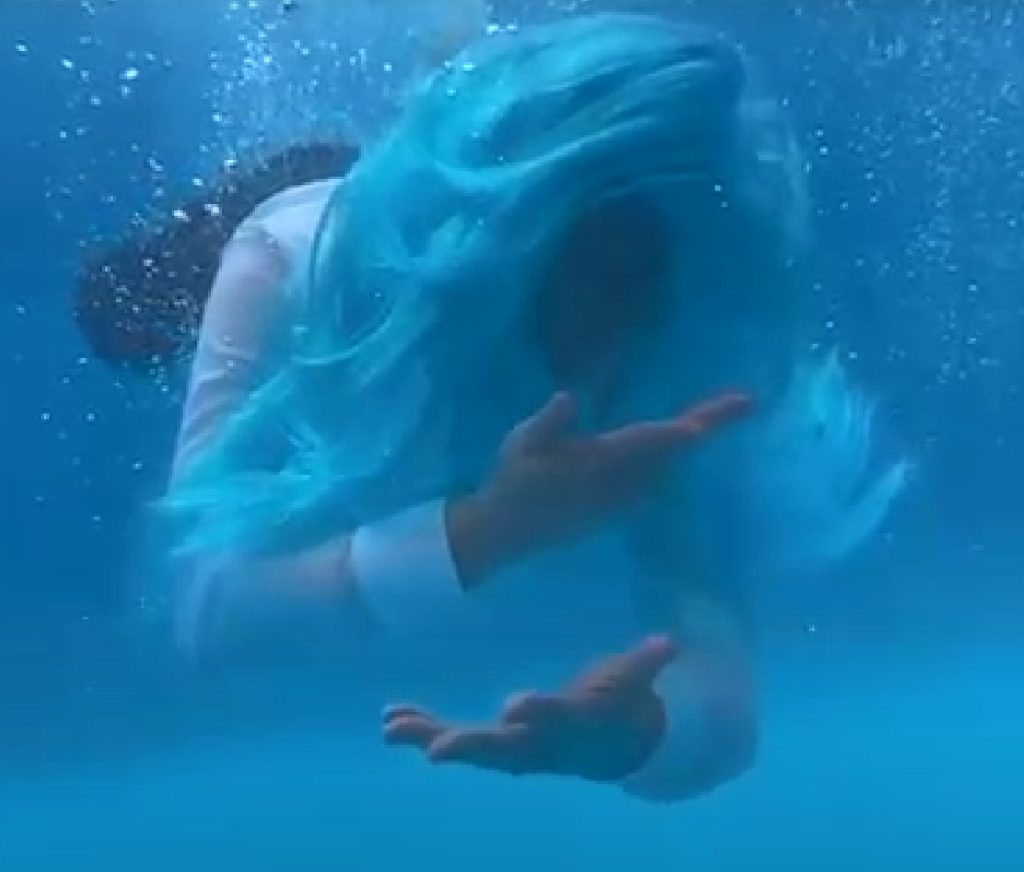
The project has also received support from Melbourne Fringe – Radical Access, Creative Australia, Deaf Connect and Creative Victoria, which is incredibly exciting. The work is called “Manifesto of Silences”. The focus of the production is the Deaf experience viewed through the lens of history. It begins with the early history of Deaf communities and traces the journey through to the present day. The performance brings together sound, lighting, movement, Auslan poetry and visual vernacular to create a unique theatrical experience that shares Deaf stories in a powerful and accessible way.
Amazing. Who or what inspires you? You’ve already talked a little about Lesley Hall.
Yes, Lesley Hall, of course, and there are a few others.
When we talk about artists who inspire me, there are many. One artist who had a significant impact on me when I was first beginning my arts journey was Barbara Kruger. She is a feminist artist known for using simple but powerful text and slogans to challenge ideas and make strong social statements. Her ability to communicate complex messages through accessible visual language really inspired me
I’m also deeply inspired by Deaf leaders and the Deaf community. There are too many people to name individually, but I want to acknowledge the many Deaf people who have challenged barriers, advocated for accessibility and created a more inclusive and open-minded world. Their work has created opportunities for future generations, and I carry that inspiration with me every day.
I also want to acknowledge Jodie Mundy, who has made a significant contribution to Deaf Arts and Arts Access Victoria over many years. She developed a program called ACTIVATE: Auslan Artists (2018) at AAV which brought together Deaf artists and provided support, mentoring and opportunities to explore how we could enter and contribute to the mainstream arts sector.
Many of the artists who participated in that program have gone on to develop successful arts careers. It was a powerful and meaningful platform that created a pathway for Deaf artists, and I’m incredibly grateful for the opportunities and support that Jodie helped create.
Have you faced access challenges in your career, and how have you navigated them?
When I first started my journey in the arts, it was incredibly challenging because there was very little understanding of Deafness, Auslan or accessibility. There were no interpreters, and it was also difficult to connect with other Deaf artists or people working in the broader arts industry. Today, things have changed significantly. With greater awareness and support, including access through the NDIS, many more opportunities have opened up for me to collaborate with hearing artists and organisations. Back then, you had to search for people who had the right attitude—people who were willing to be flexible, who cared about inclusion and who would find ways to communicate, whether that was through writing things down or finding other solutions.
This was especially true when I studied art at university in the 1980s. I often had to ask other students for their notes or request copies of lecture materials from lecturers. Sometimes they were supportive, and sometimes they weren’t. I had to rely heavily on reading, researching and finding my own way through the barriers.
I would say things began to shift more noticeably about 15 years ago. The world became more connected and globalised, and technology created new ways for artists to share ideas, access information and build networks. Instead of being isolated within a small Deaf arts community, we now have opportunities to connect with artists and communities around the world.
Recently, I travelled to Mongolia, where I have now been twice. I worked on Deaf advocacy projects and facilitated an art workshop with the Deaf community there. I was able to do this because an Australian volunteer program supported me with interpreters who travelled with me. It was an incredible experience and showed me how much is possible when access and opportunity come together.
So, it’s a combination of greater awareness and infrastructure through advocacy, as well as technology. Those things working together?
Yes, I think technology and greater Deaf awareness have made a huge difference. People are becoming more aware of Deafness, Auslan and the importance of accessible communication.
Sometimes I’ll walk into a shop and someone will sign to me. If you think back 20 years ago, that would have been almost unheard of. It simply wasn’t something that happened. Seeing these small but meaningful changes shows how much society’s understanding has grown.
How can we make the arts sector more accessible to everyone?
It really depends on what is being offered.
For example, if an art exhibition includes regular Q&A sessions, interpreters can be arranged as part of the access planning. However, the Deaf community also has an important role in engaging with arts organisations and asking whether interpreters or other access supports will be available. Accessibility needs to be a collaborative process. It shouldn’t be a situation where an arts organisation makes decisions about access on its own, provides interpreters, and then finds that no Deaf people attend.
The strongest approach is when arts organisations and the Deaf community work together from the beginning to understand needs, create meaningful access and ensure opportunities are genuinely inclusive for everyone.
What advice would you give to Deaf and disabled creators who are starting out?
If you love art, go for it. Dive in and give it a try.
Don’t tell yourself, “I’m not good enough.” Art is not about being perfect. Art is about the journey—it’s about your life, your experiences, your stories and your own way of expressing yourself.
Look around and get involved. If you see Deaf arts events or creative activities happening in the community, go along. Experience what is happening, support Deaf artists, meet people and build connections. Networking within the Deaf community is a really important part of developing as an artist.
You can also reach out to arts organisations. Many are now developing accessible programs and opportunities for Deaf artists. Explore what is available, be curious and find your own creative pathway.
I do have one important piece of advice, particularly when working with the hearing or non-Deaf arts sector. Sometimes people genuinely want to include Deaf people in their projects—whether it’s theatre, film or another art form—and that can create wonderful opportunities. However, it is also important for Deaf artists to ask questions. Ask yourself: “Why am I being invited to be part of this project?” Is it because the organisation genuinely values my artistic contribution, or is it simply to represent diversity? Am I being included as an artist with creative input and decision-making power, or am I being included as a symbol?
Those questions are important. Deaf artists need to consider whether the opportunity aligns with their values, supports their growth and creates meaningful benefits for themselves and the wider Deaf community. At the same time, I recognise that we all need opportunities to gain experience, develop our skills and build our careers. It’s about finding the balance—being open to collaboration while also being thoughtful about how and why we participate.





 Subscribe



